Batteries are the heart of cars, and precisely for this reason, it is important to take into account all aspects of good battery manufacturing .
Automotive batteries supply power to the starting and ignition system to start the car engine, they also provide the extra power needed when the electrical load of the vehicle exceeds the supply of the charging system.
Normally, when people think of lead-acid batteries, they think of car batteries, which provide a short burst of high power to start the engine. The truth is that an automotive battery acts as a voltage stabilizer in the electrical system.
Automotive batteries not only power the engine that drives a vehicle if it is electric, but also provide power for a specific purpose in an electric vehicle, such as accessories like vehicle headlamps.
The battery evens out voltage peaks and prevents damage to other components in the car’s electrical system.
A variant of the batteries are backup batteries that supply electrical power to critical systems in the event of a power outage in hospitals, telecommunication systems, emergency lighting systems and many more where lead acid backup batteries are used to keep people safe and unattended when the lights go out.

Contenido
Manufacturing of car batteries
The initial process begins with the manufacture of grids from a lead alloy and mixed with a small percentage of other metals, the grids conduct current and provide a structure for the active material to adhere to.
Next, a mixture of lead oxide paste is applied with sulfuric acid and water to the grids which is made of powdered lead and other materials, the expansion materials are made of powdered sulfates which is added to the paste to produce the negative plates.
From there, it will need to be cured on a bonding plate, curing typically takes place in a controlled environment with high temperature heating and humidity modification for two to four continuous days.
During this process, growth produces the crystallization that binds the paste to the grids. Once cured, the plates are required to remain completely cool and dry.
Once the plates are ready, they will have to be stacked alternately with a separator piece between them, the separators are sheets of porous material that prevent a short circuit, however, allow electric current to flow between the plates.
Once properly combined, all the positive plates are connected together and separately all the negatives are also connected together, this combination of positives, negatives and separators combined is known as an element.
The elements are then properly oriented and inserted into the battery box and soldered together, the elements are typically arranged in series, so that the cell provides 2 volts to reach 6, 12 or whatever the final battery voltage is intended to be.
Next, a cover is sealed to the top of the box, which contains the connected elements and the terminal posts are placed outside the battery.
Once the battery construction is completed and the battery has been completed in all its aspects, it can be filled with sulfuric acid or electrolyte and placed on the forming charge, during the forming charge, the battery is connected to an electrical source for many hours.
Finally, once the battery is fully formed, it will go through several quality checks and will be cleaned and labeled before arriving at a location for sale.
How does a car battery work?
A fully charged lead acid battery produces approximately 2.11 volts per cell. The chemical action between the metals and the electrolyte (battery acid) generates electrical energy. Energy flows from the battery as soon as there is an electrical charge; for example, when starting an engine.
This completes a circuit between the positive and negative terminals. Electrical current flows as charged portions of acid (ions) between the plates of the car battery and as electrons through the external circuit. The performance of the lead acid battery is determined by the chemicals used, state of charge, temperature, porosity and diffusion.
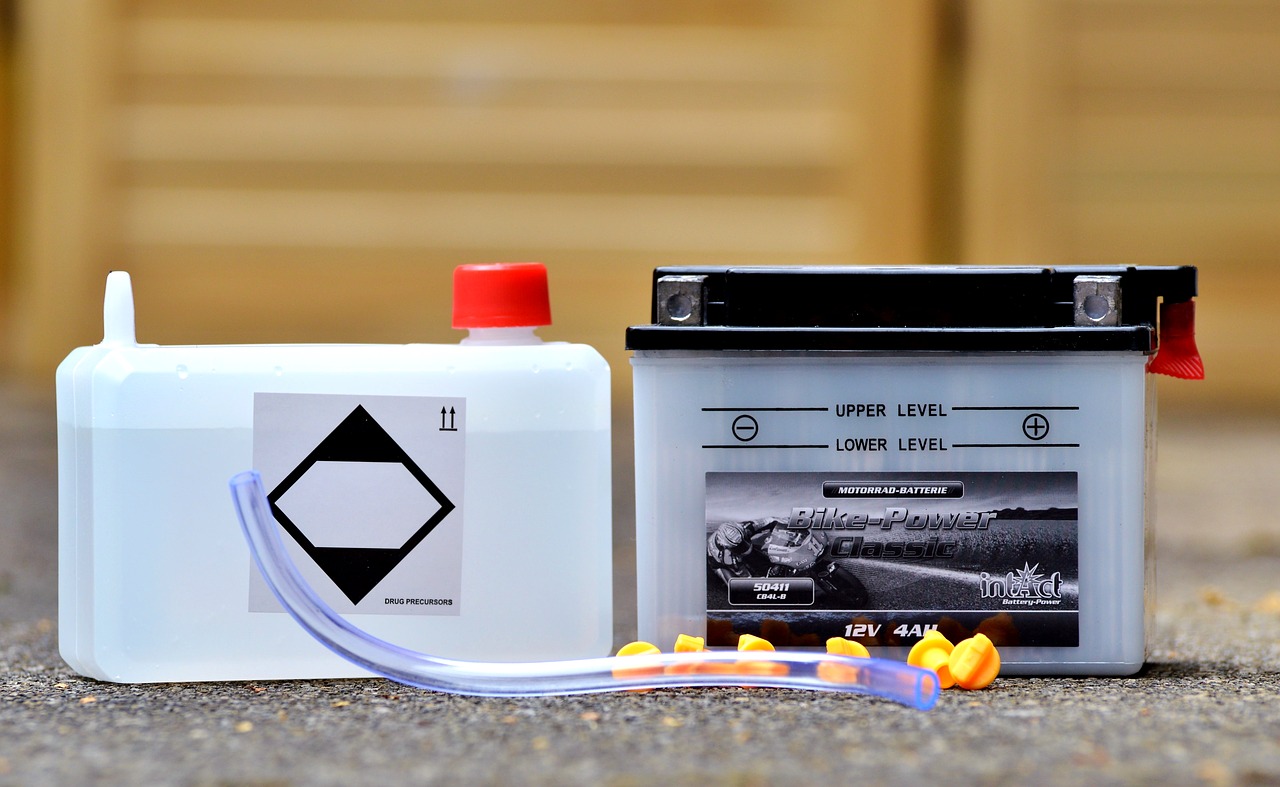
Importance of a good machining chain
The machining machining y marking are of great importance in the production activity, both directly for the manufacture of components and indirectly for the manufacture of auxiliary elements, such as tools and tooling for the manufacture of components by other injection or forming processes.
The technology related to machining has evolved a lot in recent years with improvements affecting multiple fields such as cutting tools, machining technology, production means, CAD/CAM or sensing. However, there is still room for improvement in machining processes through the use of new technologies and optimization based on a better knowledge of the process.
Due to the flexibility of machining processes for shaping mechanical components, their industrial importance is very high from both an economic and technical point of view. Today, it is of utmost importance to increase the performance in manufacturing processes in order to maintain the competitiveness of companies and their market position.
Ultimately, survival comes down to improving processes to manufacture faster, better and cheaper to meet the cost, schedule and quality demands of customers.
Take care of your car! In Batteries and Amps we have the highest quality products for the heart of your car, invest in a long battery life starter.