Lithium batteries are becoming increasingly popular due to their efficiency and durability. These batteries have many advantages over other battery technologies, including longer life, lighter weight and better performance in cold temperatures. They are also quite safe, making them an excellent choice for outdoor applications.
But knowing how long a lithium battery lasts is an extremely important question. For this makes it easier for us to estimate the overall cost-effectiveness and reliability of our entire system. Because lithium batteries are characterized by their long service life, which makes them an advantageous option for off-grid solar power systems compared to AGM and lead-acid batteries.
Lithium batteries have a much longer life than the lead acid batteries used in many solar panels. This is because lithium batteries are lighter, have a higher energy density and are more efficient. in the conversion of solar energy to electrical energy. They can last >3,000 charge/discharge cycles, as they can store energy for a long time and have a longer life than other batteries, with an estimated life of 5 to 10 years.
The amount of available solar energy also affects the life of lithium batteries. If there is a limited amount of sunlight, the battery will not be as charged and will therefore have a shorter life. Charging time also plays an important role in battery life. If it is charged too quickly, the battery can be damaged due to the heat generated by the charging process.
Finally, battery usage also affects battery life. If it is discharged too quickly, the battery will be damaged and have a shorter life. Therefore, it is important to have the battery charged before use to ensure that it lasts as long as possible.
In general, lithium batteries have a much longer life than other batteries. However, this depends on several factors.
Contenido
Determining factors to know how long a lithium battery lasts
The life of a solar-powered lithium battery depends on several factors. These factors include the size of the battery, the amount of energy being stored, the quality of the battery, and the level of maintenance given to the battery.
- The size of the battery. This is an important factor in the life of a lithium solar battery. The larger the size of the battery, the more energy it can store, resulting in a longer life. Also, the larger the size of the battery, the safer it will be.
- The amount of energy being stored. This factor also affects battery life. If an excessive amount of energy is being stored, the battery may overheat and become damaged, thus reducing its life. Therefore, it is important to ensure that the amount of energy stored is within the battery’s limits.
- The quality of the battery also influences the battery life. The better the quality of the battery, the longer it will last. When choosing a battery, it is important to make sure it is of good quality to ensure maximum life.
- The level of battery maintenance also affects the life of the battery. Lithium batteries should be inspected regularly for any signs of damage. In addition, it is important to ensure that the battery is cleaned regularly to prevent dirt or dust buildup. This will help maximize the life of the battery.
So, which are the most recommended lithium batteries in terms of quality and service life?
Most recommended lithium batteries
Although there are different and very good options, if we have to opt for two types of high quality lithium batteries and for their useful life, these would be the Pylontech and Dyness batteries. When it comes to determining how long a lithium battery lasts, these are undoubtedly two of the best options on the market.
Pylontech and Dyness lithium solar batteries are designed to work in conjunction with solar panels to collect the sun’s energy and store it for later use, so that energy can be harnessed during periods of low light or when the solar panels are not receiving sunlight.
These batteries are designed to last for many years. They are built with a sealed structure and no moving parts, ensuring a long service life. They are also more resistant to changes in temperature, which makes them much more resistant to temperature changes. efficient than lead-acid batteries. They are also much safer.
Pylontech and Dyness lithium solar batteries have a high energy storage capacity. This means that they can store a significant amount of solar energy for later use. This makes these batteries ideal for many applications, including energy storage for home use.
Such batteries also have a high charge and discharge efficiency. This makes them able to store solar energy without the need for a large amount of storage space. In addition, they are easy to install and maintain.

Out of stock

SOLD OUT
Lithium Battery 4.8Kw 48V Dyness A48100
1.499.19€ IVA incl.

Pylontech US5000 Lithium battery 4.8kWh 48V
1.131.35€ IVA incl.
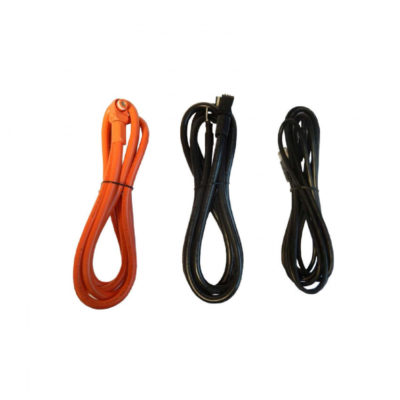
PYLONTECH Battery Cable Packs
27.83€ IVA incl.

Lithium Battery 3.6Kw 48V DYNESS
782.87€ IVA incl.