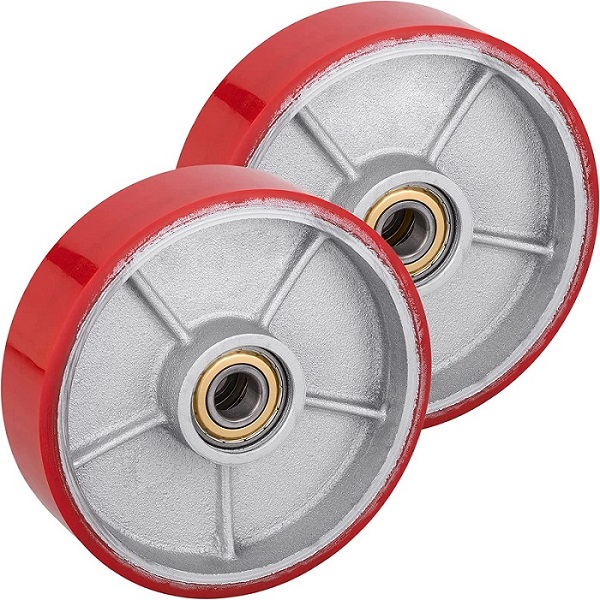
The wheels of a pallet truck, being in constant operation and in contact with the ground, are one of the elements that suffer the most wear and tear. Therefore, it is necessary to be attentive to know when they need to be replaced or, in some cases, repaired. It is therefore important to perform regular maintenance on bearings and axles to prolong their service life.
The correct and safe use of the pallet truck, together with proper maintenance, will contribute to improve its efficiency and avoid risks. And of course, the type of wheel, the material they are made of and the use they are given are determining factors in their useful life (See forklift batteries).
Contenido
Signs of wear on pallet truck wheels
To know when to change the wheels of a pallet truck, it is necessary to identify if the wheels are worn. To do this, several signs should be considered. Some indicators of wear include:
- Bearing wear or breakage: When the bearing has breakage or wear, it is usually due to excessive use or the presence of shocks, as well as lack of maintenance. At this point, the best thing to do is to replace the entire wheel. If only the bearing is replaced, there is a greater risk of damage to the wheel. Therefore, a broken or worn bearing is a clear indicator that the wheels need to be replaced.
- Excessive wear and tear on the wheels: When the wheels are broken or worn, this is usually caused by use on uneven terrain such as curbs or steps, as well as by driving more kilometers than recommended. In this case, it would be an obvious sign that the wheels need to be replaced.
- Completely flat tread: When the tread has a completely flat part, this is more common than it seems. Since dirt or debris on the floor can cause the wheel to become stuck, wearing out only a portion of the wheel. Therefore this also makes it necessary to change the wheels of a pallet truck instead of replacing them.
- Polyurethane worn to the rim: When the polyurethane is worn to the rim. This usually occurs when more kilometers than recommended have been made with these wheels. Therefore, in this case, a wheel change would be urgent and very necessary.
- Flat spots on the tread: The presence of flat spots on the tread is a clear sign of wear, and it is recommended to stop using the pallet truck to avoid further damage.
These are some of the signs that indicate that the wheels on a pallet truck are worn and need to be replaced.
What to do when there is wear on the wheels
When the wheels on a pallet truck are worn, action must be taken to ensure the safety and performance of the equipment. Some actions to consider include:
Detailed inspection: Check the condition of the wheels to identify signs of wear, breakage or instability.
Wheel replacement: If excessive wear, cracks or flat spots on the tread are detected, it is recommended to replace the wheels immediately to avoid further damage to the pallet truck and the floor.
Preventive maintenance: Perform regular maintenance of bearings and axles to prolong the life of new wheels.
Safe use: Avoid continuing to use the pallet truck with worn wheels, as this may cause damage to the floor and equipment.
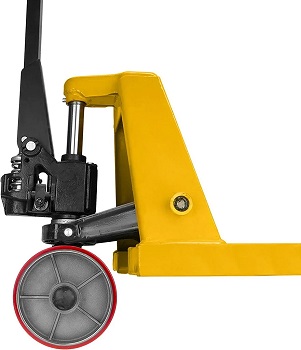
How to change the wheels of a pallet truck
When changing the wheels on a pallet truck, it is always advisable to consult the manufacturer’s manual for detailed instructions on changing the wheels. Instructions may vary depending on the specific model of the pallet truck.
The following is a general guide to the steps to be followed to change the wheels:
- Remove the pallet truck: Make sure the pallet truck is securely resting on the ground and remove any load that may interfere with the wheel change process.
- Removing old wheels: Depending on the type of wheel, it may be necessary to remove a cover or snap ring to access the wheels. Follow the manufacturer’s instructions for proper removal.
- Install the new wheels: Put the new wheels in place and make sure they are properly secured. Replace any items previously removed during disassembly.
- Test the pallet truck: Once the wheels have been changed, perform a test to ensure that the pallet truck moves smoothly and safely.
Preventive wheel maintenance
Preventive maintenance of the wheels of a pallet truck includes several actions.
The following are some recommendations:
Regular cleaning: Keep the storage room tidy and clean to prevent debris on the floor from getting into the wheels, which can cause premature wear and rolling difficulties.
Lubrication: It is important to lubricate wheels and other lubrication points with long-life grease to prolong their service life.
Inspection and adjustment: Perform periodic visual inspections to ensure that there is no damage, excessive wear or malfunctioning of the wheels.
These actions will help keep the pallet truck wheels in good condition and prevent future operational problems.
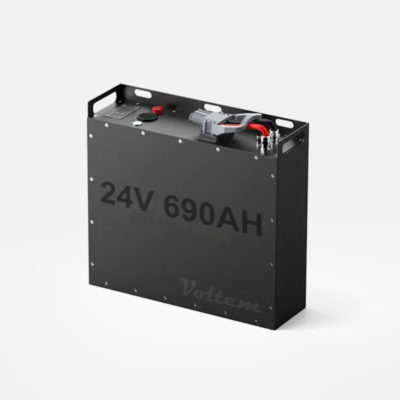
Lithium battery trolley 24V 690Ah
14.609.54€ IVA incl.

Forklift battery 24V 875ah
2.760.01€ IVA incl.
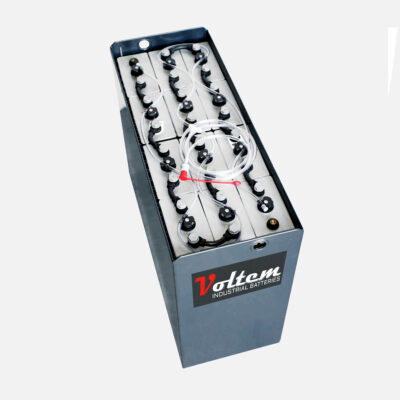
Forklift battery 24V 640Ah.
2.353.45€ IVA incl.

Traction battery 36V 805Ah for forklift trucks
4.178.13€ IVA incl.

Traction battery 36V 480Ah for scrubber driers
2.844.71€ IVA incl.